

Plastisol vs Water-Based Ink: Which Lasts Longer?
Last Updated: November 4, 2026
Quick Summary
Plastisol ink durability is generally stronger than water-based ink for heavily worn shirts, because plastisol forms a flexible film on top of the fabric when fully cured. Water-based ink can still last well if it is cured correctly and the shirt is washed with care.
- Plastisol is often considered the more durable ink for most garments.
- Plastisol must be heated to a set temperature so its particles fuse into a flexible film.
- Water-based ink soaks into the fibers, giving a softer feel than plastisol.
- Run 50 wash cycles and check samples at 10, 25 and 50 cycles.
- Turn shirts inside out, wash in cold water with mild detergent, and avoid bleach.
Table of Contents
- What Plastisol Ink Is and How It Holds Up
- What Water-Based Ink Is and Where It Falls Short
- How to Cure Screen-Print Ink So the Print Lasts
- Wash Test Results: Cracking, Fading and Wash Fastness
- Water-Based Ink vs Plastisol Feel, Breathability and Hand
- Troubleshooting Common Durability Failures
- Caring for Your Screen-Printed Shirts So the Graphic Lasts
- Choosing the Right Ink for the Shirts You Buy and Wear
- Frequently Asked Questions
Plastisol and water-based ink are the two main choices for screen-printed shirts, and most buyers want to know which one will still look good after months of washing, since plastisol ink durability is often the deciding factor. This guide compares how each ink holds up, what affects its durability, and how to care for the shirt so the print lasts. Plastisol is often considered the more durable ink for most garments, but water-based ink can last well when it is cured correctly and the shirt is washed with care.
What Plastisol Ink Is and How It Holds Up
Plastisol ink is a mix of PVC resin particles suspended in a plasticizer. It does not dry by evaporating. Instead, it must be heated to a set temperature so the particles fuse into a flexible, rubber-like film on top of the fabric.
Why plastisol sits on top of the fabric
Plastisol does not soak into the cotton fibers. It forms a layer on the surface. That layer can make the print feel stiff.
- Heavier feel on the shirt
What Water-Based Ink Is and Where It Falls Short
Water-based ink uses water as its carrier and dyes or pigments that bond with the fabric fibers. Instead of sitting on top, the ink soaks into the garment. This makes the print feel soft, which is why many buyers prefer it for comfort.
Water-based ink depends on the fabric and on the curing process. If the print is not heated enough, the color can wash out.
Water-based ink can leave a softer hand on the shirt. Its durability depends heavily on how well it was cured and how the shirt is cared for afterward.
How to Cure Screen-Print Ink So the Print Lasts
Curing is the step that decides how long a print survives. Both inks need heat to reach their full strength, and an under-cured print will crack, fade or wash off early. Skipping or rushing this step is one of the most common reasons prints fail.
Curing temperature and conveyor dryer settings
Plastisol typically needs to reach a higher temperature to fully fuse, while water-based ink needs enough heat to set the dye or pigment into the fibers. Check the ink manufacturer's data sheet for the exact curing temperature and dwell time.
Wash Test Results: Cracking, Fading and Wash Fastness
Wash fastness is one way to judge durability. A print that looks good on day one can still fail after ten or twenty washes, so the useful question is how each ink fails and how soon.
How to run a fair wash test at home or in the shop
A common pattern is to run 50 wash cycles, which approximates roughly a year of regular wear for many people. Check the samples at 10, 25 and 50 cycles so you can see the trend rather than a single endpoint.
What typically fails first on each ink
Watch out: a print that cracks after the first wash is almost always under-cured or over-thick, not a sign that the ink type is inferior, retest with a corrected cure before drawing conclusions about durability.
Reading the results
Keep the scored samples and the cure log together. If a customer later reports a failing print, the log tells you whether the cause was the ink, the cure or the wash routine, which is the difference between fixing a process and guessing at one.
The article's wash testing approach can be summarised as follows.
Check |
Detail |
Note |
|---|---|---|
Wash cycles to run |
50 |
Approximates roughly a year of regular wear |
Sample checkpoints |
10, 25 and 50 cycles |
Shows the trend, not a single endpoint |
Early failure cause |
Under-cured or over-thick print |
Not a sign the ink type is inferior |
Record to keep |
Scored samples and cure log |
Separates ink, cure or wash-routine causes |
Water-Based Ink vs Plastisol Feel, Breathability and Hand
Hand is the term printers use for how a print feels on the body. Because water-based ink soaks into the fabric, it leaves almost no raised layer.
Plastisol has a thicker film. On a large solid design, it can feel stiff or slightly plasticky.
Buyers who wear shirts for long periods often notice the difference in feel. The right choice depends on what matters more for the shirt.
Troubleshooting Common Durability Failures
Most durability problems come from a few repeatable causes. Knowing them makes it easier to fix a failing print or avoid one.
Caring for Your Screen-Printed Shirts So the Graphic Lasts
How you wash the shirt affects the print. Simple habits can help a graphic tee last.
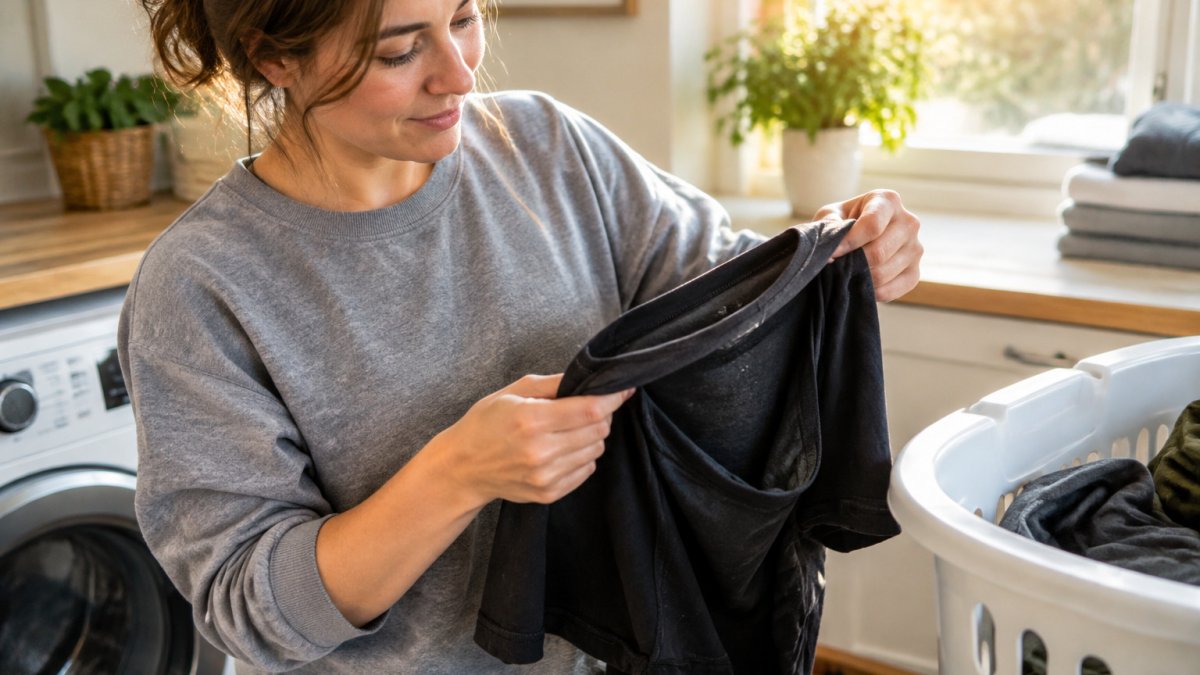
- Turn the shirt inside out before washing
- Use cold water and a mild detergent
- Avoid bleach and fabric softeners, which can break down the ink
- Hang dry or tumble dry on low heat
- Avoid ironing directly on the print
Choosing the Right Ink for the Shirts You Buy and Wear
Plastisol is often considered the stronger choice for longer-lasting graphics on heavily worn shirts. Water-based ink is an option for a softer feel, provided the print was cured properly and the shirt is cared for well.
When you shop, look at how the product page describes the print method and the fabric. Ask about care instructions for the garment. Those details tell you more about durability than the ink name alone.
Frequently Asked Questions
Is plastisol or water-based ink more durable?
For many everyday screen-printed shirts, plastisol is often considered the more durable choice. Water-based ink soaks into the fibers, so it can feel softer, but its wash fastness depends heavily on the curing process and the fabric. If your priority is longevity on heavy use, plastisol is often the stronger option; if soft hand matters more, water-based is worth considering.
How many washes can a screen-printed shirt withstand?
There is no single number, because wash life depends on ink type, cure quality, fabric, and how the shirt is laundered. Testing a sample shirt through a set number of wash cycles is one way to judge durability for your own production.
How do I cure screen-print ink so it lasts?
Curing means bringing the ink to the temperature the manufacturer specifies and holding it there long enough for the film or fiber bond to set. Check the manufacturer's specifications for the curing temperature and dwell time.
How should you wash screen-printed shirts to make the print last longer?
Turn the shirt inside out, wash in cold water on a gentle cycle, and avoid bleach and fabric softener. Dry on low heat or hang dry. Avoid ironing directly over the graphic.
